

Douglas Black

Andrew Gemrich
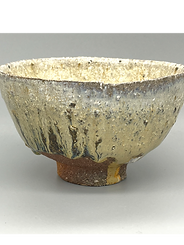
Yoshiji Onuki
CHADO - The Way of Tea
In the mid-1500’s, what we in the west refer to as the “Japanese Tea Ceremony” was codified as Wabi Cha by Sen no Rikyu. This was a culmination of three consecutive tea master’s efforts to simplify the process of experiencing “the way of tea” in a more accessible way which at that time was exclusively limited to the wealthy and powerful classes. (than was the tradition at that time which was exclusively limited to the wealthy, powerful classes.) The utensils used were imported from China and valued by this wealthy class as “correct” for the tea culture they pursued. This eliminated access to tea for the majority of the population as their main experience of tea was through medicinal means found in Buddhist temples and monasteries when making pilgrimage or seeking medical care.
Rikyu sought out native craftsmen and artisans to introduce locally made items for tea. He sought out, Chojiro a potter who was making roof tiles and sculptures. Rikyu had specific ideas of what would make a good tea bowl and worked with Chojiro to create this ideal bowl. Chojiro devised a method of firing resulting in the soft body and insulative quality that is known as Raku. Rikyu preferred the black and red raku bowls. As tea followers, we carry his preferences to this day, ranking the black raku as more formal than the red raku. Typically there is no decoration other than the natural variations due to firing. This method of firing also became the name bestowed upon Chojiro as his family name and has been passed on through the generations.
The 15th generation tea master of the Urasenke lineage of tea, Sen Soshitsu began introducing Chado outside of Japan as his mission to spread peace through a bowl of tea. He traveled extensively and bestowed tea spaces, utensils and instructors to universities throughout the world to further this dream of world peace. As a young man, he was conscripted into the national military as was the patriotic imperative of the time. He trained as a pilot and joined his fellow trainees in the ranks of the kamikaze squadrons. His father
Tantansai, the 14th grand master, devised a procedure for him to make tea for his fellow pilots prior to their deployment. It was after this experience following the war that he dedicated his life to spreading peace throughout the world. He continued his efforts until shortly before his passing at 102 years.